

Poodle – The Elegant and Versatile Companion
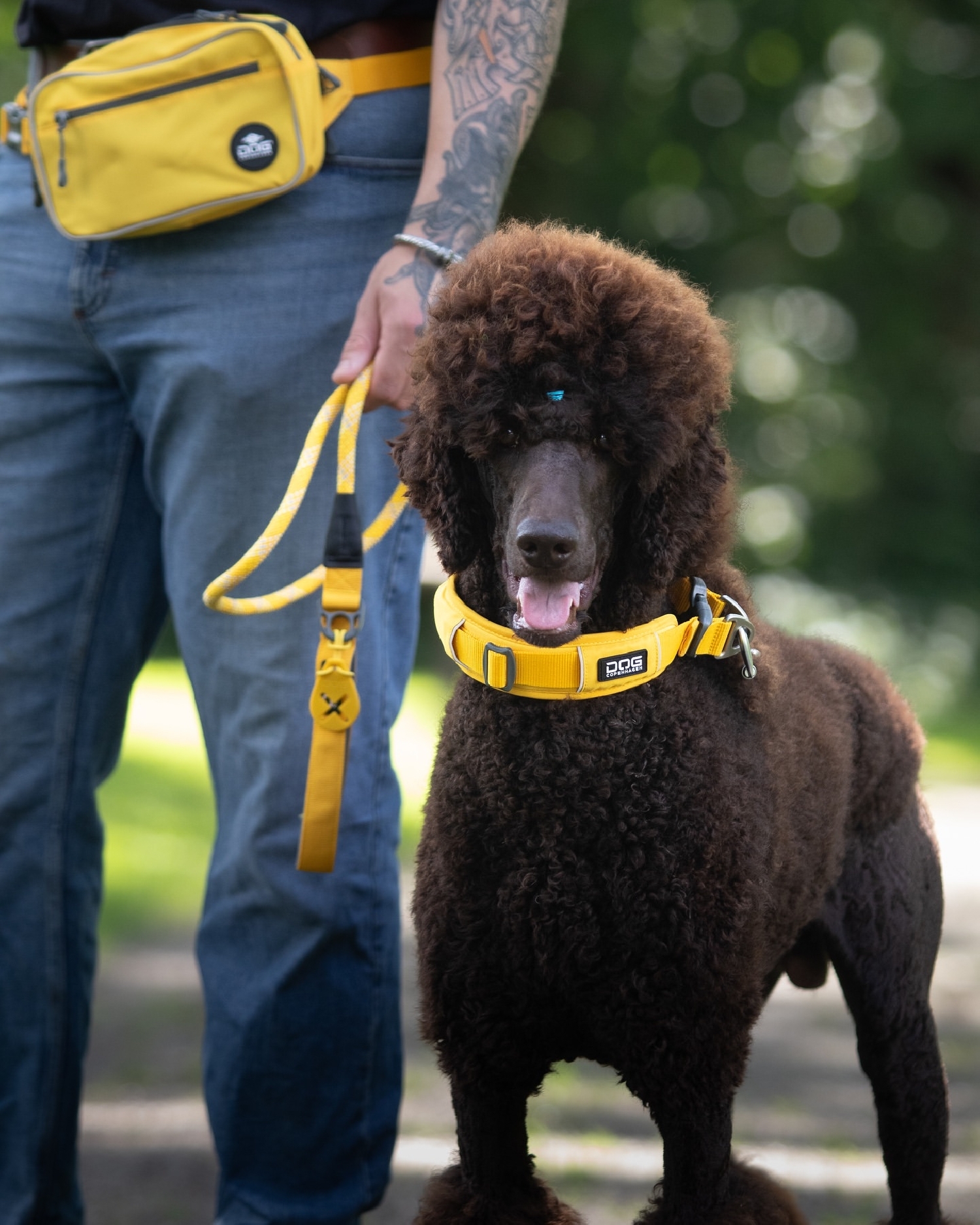
The Poodle stands among the world’s most versatile and elegant dog breeds, perfectly combining intelligence, beauty, and functionality. This exceptional breed blends remarkable learning ability with a charming temperament and a hypoallergenic coat, making it an ideal choice for many families. Originally bred as a water retriever, the Poodle has evolved into the ultimate all-around companion - just as comfortable in the show ring as in the family living room or on the agility course.
In Denmark, the Poodle has found its place in families that value both style and substance. The breed thrives as part of family life and loves to join in on every activity, from daily walks to advanced dog sports. With proper socialization and training, the Poodle becomes a loyal family companion and an intelligent partner who adapts easily to nearly any lifestyle.
Whether you live in a city apartment or a spacious home, there’s a Poodle for you - choose from Standard, Miniature, or Toy, and discover the perfect fit for your family.. With their distinctive curly coats and elegant appearance, Poodles are both practical and beautiful companions. This is a dog for those who want an intelligent, affectionate, and adaptable partner to share both active adventures and quiet moments.
Breed Characteristics
Size: Three size varieties
Height: Standard 45–60 cm, Miniature 35–45 cm, Toy 28–35 cm
Weight: 3–32 kg, proportionate and graceful across all sizes
Temperament: Lively, intelligent, and adaptable
Coat care: High maintenance – requires daily brushing and professional grooming every 6–8 weeks
Activity level: Moderate to high – enjoys both physical and mental stimulation
Origin: France/Germany, developed as a water dog and later refined as a companion and show dog
Colors and Appearance
The Poodle showcases a spectrum of solid colors that highlight its refined character. Black is perhaps the most iconic, with its glossy, timeless elegance. White Poodles shine with a regal, snow-white coat, while brown Poodles range from light champagne to deep chocolate. Gray Poodles develop a unique silver shade as they mature. Apricot and red tones give the Poodle a warm and inviting look, while café-au-lait and silver beige offer rarer, refined color variations.
What makes the Poodle stand out is its coat - tight, bouncy curls that hardly shed at all. Hypoallergenic and suitable for many allergy sufferers, the coat requires consistent care to stay in prime condition. Regular grooming and daily brushing are essential to avoid tangling, while creative grooming styles further emphasize the Poodle’s elegance.
Temperament and Personality
The Poodle is known for its intelligence, charm, and adaptability, making it one of the most enjoyable family dogs. Energetic yet not hyper, alert yet not nervous, social yet never pushy—the breed maintains a rare harmony that suits families of all sizes.
Thanks to their intelligence and eagerness to please, Poodles are fast learners and respond exceptionally well to positive reinforcement. They thrive on mental challenges and active participation in family life, but may develop separation anxiety if left alone for long periods.
Their adaptability is legendary: calm lapdog in the morning, energetic playmate in the afternoon. Whether in a city apartment or a house with a garden, the Poodle adjusts with ease. Naturally friendly with strangers when properly introduced, they are also protective if the situation demands it. Early socialization ensures a confident, balanced companion.
Health and Grooming
The lifespan of poodles are 10-18 years depending on its size, with miniature poodles generally living the longest. The breed is overall healthy, but like all purebred dogs, there are certain health conditions that require attention.
Hip dysplasia can occur, especially in standard poodles, which underscores the importance of health screening for breeding dogs. Progressive Retinal Atrophy (PRA) is an eye disease that can affect the breed and requires genetic testing. Von Willebrand disease, a blood coagulation disorder, can also occur, but it can be detected through genetic testing.
Epilepsy and Addison's disease are conditions that can affect poodles, while bloat or gastric torsion is a risk for standard poodles due to their deep chest. Sebaceous adenitis is a skin condition that can specifically affect poodles and impacts the sebaceous glands.
The curly coat is the poodle's most characteristic feature, but also its most demanding. Daily brushing is absolutely necessary to prevent matting, and professional grooming is recommended every 6-8 weeks to keep the coat manageable. Regular ear cleaning is particularly important since the poodle's floppy ears and hair-filled ear canals can promote infections. Nail trimming and dental cleaning should be regular parts of the grooming routine.
The Ideal Poodle Owner
The ideal Poodle owner is a family or someone seeking an intelligent, versatile companion to be an active part of their life. This breed thrives when both their beauty and brain are valued, and where owners are committed to consistent training and grooming. Poodles don't require extreme dog experience but they reward owners who understand the importance of consistent training and social stimulation through positive reinforcement.
Ideal owners are those who enjoy an active lifestyle but also appreciate calmer moments, as the Poodle can adapt to both. The breed is excellent for families with children, as they are patient and playful, and their hypoallergenic coat makes them a great fit for families with allergies. Poodles also thrive with older people looking for a loyal, low-maintenance companion.
Due to their social need and intelligence, Poodles are less suitable for people who are away for many hours each day or those who cannot commit to regular training, grooming and activity.
Training and Activity
Thanks to Poodles’ intelligence, they excel in training—from basic obedience to advanced disciplines like agility, obedience trials, and rally. The are eager to please their owners and respond well to positive reinforcement.
Note physical exercise whould be adapted depending the size and age of your poodle, but all poodles enjoy daily walks and off-leash play. Standard poodles can be excellent running or biking partners, while smaller poodles enjoy shorter walks. Given their water dog heritage, they often love swimming too.
Mental stimulation is just as important - Training exercises that challenge the dog's problem-solving skills, tricks, scent work, and interactive toys keep the breed mentally engaged. Poodles thrive on variety and new challenges to keep them sharp and satisfied. Socialization is just as important as physical exercise for a poodle. Regular meetings with other dogs and people help maintain the breed's naturally social temperament and prevent the development of shy or reactive behavior.
Poodles as Family and Therapy Dogs
As a family dog, the poodle shows its versatile nature by being both playful with children and calm with adults. They are naturally protective without being aggressive and will often serve as the family's charming ambassador in social settings. With their intuitive understanding of moods, poodles can adapt their behavior to the family's needs.
In a therapeutic context, the poodle has proven its worth as an exceptional therapy dog thanks to its calm temperament, intelligence, and hypoallergenic coat. The breed's natural empathy and ability to read human emotions make it perfect for working with children, the elderly, and people with special needs. This versatility makes the poodle an ideal choice for those who want a dog that can be both a loving family member and a potential working partner.
FCI Information
FCI Group: 9 - Companion and Toy Dogs
FCI Number: 172
International Breed Name: Caniche
Country of Origin: France
Special Breeding Regulations: The breed is divided into four size varieties, which are judged separately: Standard Poodle, Medium Poodle, Miniature Poodle, and Toy Poodle.
Purchasing a Puppy and Finding a Breeder
When considering a poodle puppy, it's crucial to find a responsible breeder who prioritizes health, temperament, and the breed's characteristics. Make sure to see health certificates for both parents, especially regarding eyes (PRA), hips, and genetic tests for von Willebrand disease. A good breeder will be able to demonstrate the parents' temperament and will have focused on properly socializing the puppies.
Also, consider which poodle size best suits your life situation. Remember that all poodles require regular professional grooming and daily mental stimulation. In return, you will get an intelligent, loyal, and versatile companion who can adapt to your pace of life and who will enrich your life with their charm and love.
A poodle is not just a dog—it is an elegant, lifelong companion that will bring both beauty and intelligence into your home.
Comments
No comment at this time!
Leave your comment