
German Shepherd – The Versatile Working Partner
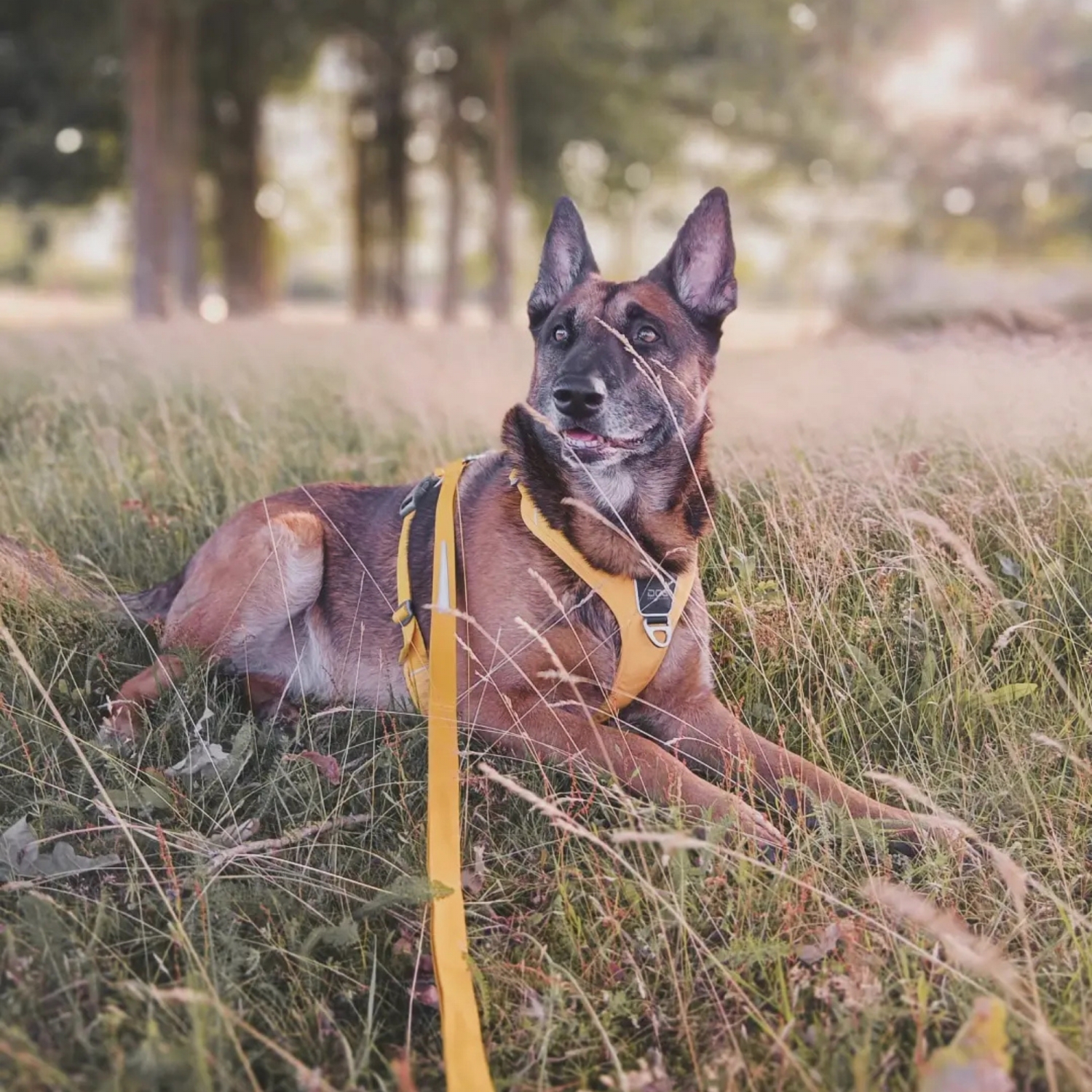
The German Shepherd is one of the world’s most popular all-round dogs, and with good reason. This breed combines a unique working ability with loyalty and intelligence, making it both an excellent working dog and a devoted family companion.
Originally developed as a herding dog in Germany, the breed is today just as familiar as a police dog, rescue dog, or sports dog. The short-coated German Shepherd combines strength, courage, and a willingness to cooperate, and is now one of the most versatile dog breeds.
Breed Characteristics
Size: Medium to large.
Height: Males 60-65 cm, females 55-60 cm – a functional size for both work and family life.
Weight: 25-40 kg.
Temperament: Calm, balanced, and intelligent.
Known as: A loyal family dog with a natural passion for work.
Coat Care: Easy to moderate. The short-haired coat only requires regular brushing but sheds seasonally.
Activity Level: High. Requires daily exercise and mental stimulation to thrive.
Country of Origin: Germany. Developed as a herding dog with a focus on versatility and sharp intelligence.
Colors and Appearance
The short-haired German Shepherd typically comes in black and tan, with the classic saddle pattern combined with a black back and ears. The coat is double-layered, with a dense undercoat and a longer, protective topcoat, which makes the breed comfortable in all types of weather.
Temperament and Personality
German Shepherds are known for their intelligence and balance. They are watchful without being aggressive, responsive without being submissive, and affectionate without being demanding. This makes them ideal family dogs for active homes.
The breed is very versatile as it can be a companion dog, training partner, family dog, or professional working dog. With early socialization, the German Shepherd develops into a confident and stable dog that handles most situations calmly.
Health and Care
When choosing a German Shepherd, it is important to be aware of the breed’s health profile. The average lifespan is 9–13 years. Like many large breeds, German Shepherds can be prone to hip and elbow dysplasia, which makes buying from health-tested parents very important.
Care needs include:
-
Brushing a few times a week (daily during shedding)
-
Regular care of nails, ears, and teeth
-
Sufficient exercise and mental stimulation as part of overall health care
The Ideal Owner
A German Shepherd suits active owners who want an intelligent, cooperative dog. It needs structure, clear guidance, and daily training.
It can do well in families with children, as it is naturally protective and patient, but socialization from an early age is important. For inexperienced dog owners or those seeking an easygoing, independent dog, the breed can be a challenge.
Training and Activity
Training a German Shepherd is both a pleasure and a necessity. The breed learns quickly and thrives on variety and challenges. It is well-suited for obedience, agility, tracking, and protection work.
Activities the breed enjoys include:
- Fetch and search games
- Tracking and obedience
- Long walks and runs
- Dog sports that focus on cooperation
- Both physical activity and mental challenges are essential to avoid boredom and unwanted behavior.
A Family and Working Dog
As a family dog, the German Shepherd is loyal, protective, and devoted. They form strong bonds with their owners and act as a natural guardian.
As a working dog, the breed has proven its worth in police, military, rescue services, and therapy. The short-haired variant is particularly valued for its combination of strength, intelligence, and a strong work drive.
FCI Information
-
Group: 1 – Herding and Cattle Dogs
-
Number: 166
-
International Name: Deutscher Schäferhund, stockhåret (German Shepherd Dog, Stock-Haired)
-
Country of Origin: Germany
-
Breeding Regulations: The breed is divided into short-haired and long-haired variants, which cannot be crossbred.
Buying a Puppy and Breeding
If you're considering buying a German Shepherd puppy, you should choose a responsible breeder who health-tests their breeding dogs. Ask for documentation for hips and elbows and prioritize health, temperament, and the socialization of the puppies.
A German Shepherd requires time and commitment, but in return, you get a lifelong partner that combines intelligence, loyalty, and a passion for work.
At Dog Copenhagen, we understand an active dog has high demands for its gear. Our ergonomic harnesses and durable collars, leashes, and bags are designed for breeds like the German Shepherd that demand high-quality equipment and a strong partnership.
Comments
No comment at this time!
Leave your comment