

The Dog's 7 Core Emotions: Understanding Your Canine's Inner World
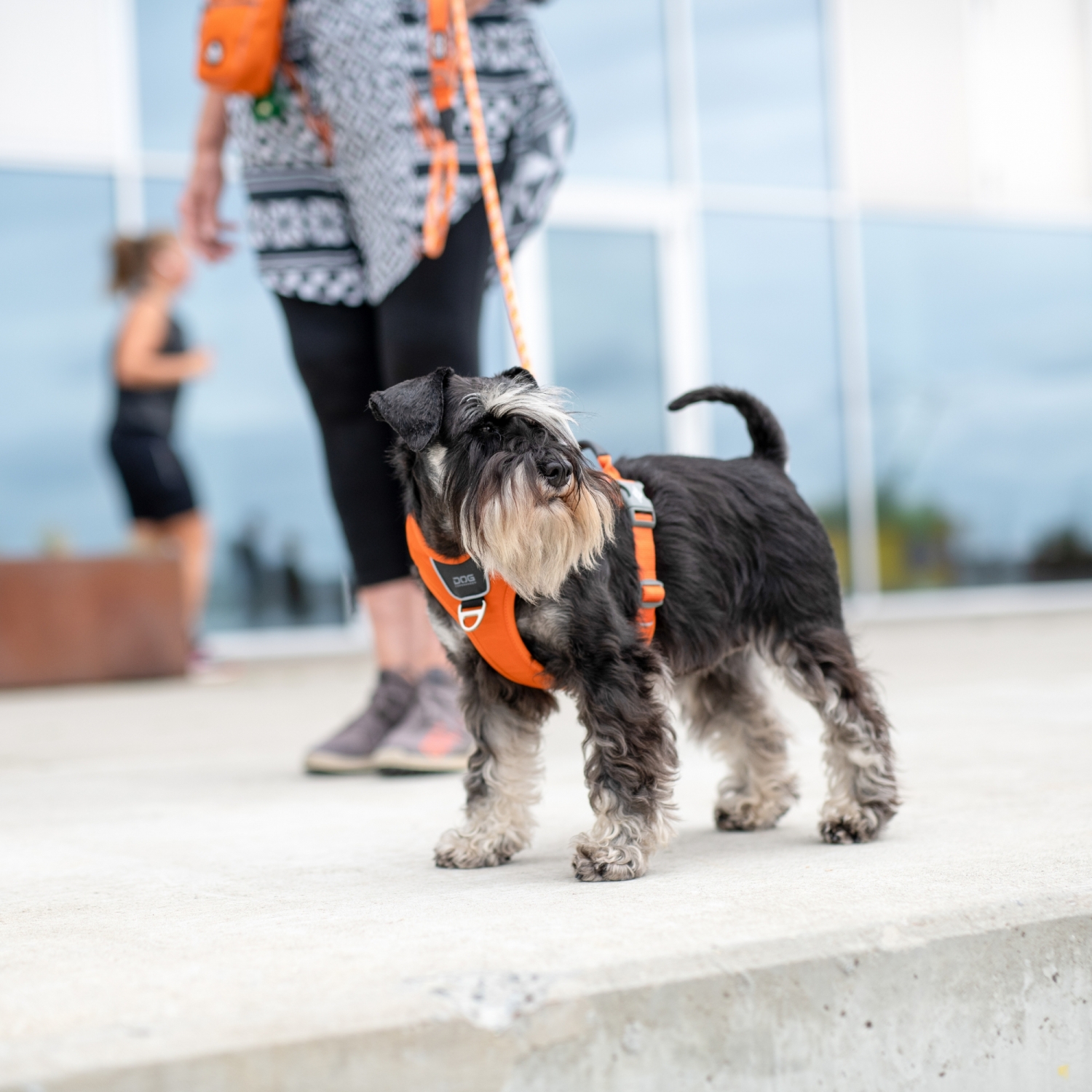
Did you know that your dog shares the same core emotions as humans and all other mammals?
Back in the 1990s, researcher Jaak Panksepp discovered a connection between mammalian emotions, which are uniquely expressed through body language, vocalizations, and facial expressions.
Here are the 7 core emotions found in dogs:
- Joy/Play: Play is a vital part of a dog's daily life, both with us and with other dogs. We deepen our bond significantly the more time we spend playing with our dogs, both during training and outside the training field.
- Grief: Like humans, dogs also experience grief. This occurs when a dog loses its owner or a canine friend. The dog will often go through a depressive period where it needs time to mourn. This emotion is observed when the dog lacks interest in play or withdraws from social situations.
- Fear: When a dog experiences something unsettling, it registers in its nervous system, just as it does in humans. A lunge from another dog in the dog park, for example, can have significant lasting costs for your dog and how it perceives contact with other dogs in the future. It is therefore wise to find playmates who are at the same play level, ensuring your dog always feels safe during play.
- Empathy: An emotion that allows for attachment to humans, other dogs, and puppies. The hormone Oxytocin, which appears during the bond between a mother and baby, is also released in dogs. This is one of the reasons you and your dog experience a deep connection and love. It also governs the strong social attachment to the dog's human pack and other dogs.
- Rage: This is the dog’s defense and frustration system. It is activated when the dog feels threatened, pressured, or prevented from doing something important. The feeling can manifest as growling, barking, or biting, but also as restlessness and frustration in everyday life—for instance, when the dog is restrained on a leash. Rage is a natural reaction, not a sign of malice. By reading these signals early and reacting calmly, we help the dog feel secure and avoid conflict.
- Lust: This involves sexual drive and reproductive behavior that can be observed.
- Seeking: Exploring and following their curiosity is deeply rooted in a dog's nature. Finding food, toys, or tracking exciting scents is a completely natural activity for them. With its extra olfactory organ, scent work is a central part of a dog's life. When a dog uses its nose, up to 80% of its brain is activated—which is why just 20 minutes of searching can be more mentally tiring than an entire hour-long walk in the woods.
How to Read Your Dog's Emotions Through Body Language
We often look at a dog's tail to gauge happiness, but a dog's language is more complex than that. To accurately read your dog's feelings, you must look at its entire appearance and overall body language.
- Relaxed dog: A relaxed dog has soft eyes and mouth corners, relaxed posture, and a relaxed tail.
- Scared/stressed dog: A scared dog will have its tail tucked between the legs, ears may be flattened back. The dog may yawn or lick its lips to send "calming signals".
- Angry dog: The tail is stiff and wags slowly. The body leans slightly forward. Eyes are large, staring, and the dog holds its gaze.
Your dog holds an entire universe of emotions—just like us. When we understand and support a dog's feelings, we strengthen their security, well-being, and the bond between us.
At DOG Copenhagen, we design gear that makes it easier for you and your dog to explore the world together—safely, fun, and with room for all emotions.
Comments
No comment at this time!
Leave your comment